


What Causes Change Orders in Commercial Construction?
A commercial construction project starts with an agreed scope, budget, and schedule. But as work progresses, new information or changing business needs can require adjustments.
Those adjustments often lead to change orders. For property owners, developers, and commercial tenants, understanding why change orders happen can help reduce unexpected costs and keep decisions moving.
Whether you are planning a tenant buildout, commercial renovation, or ground-up project, clear expectations before construction begins make changes easier to manage.
What Is a Change Order?
A change order is a written modification to the construction contract. It documents a change to the work and any agreed adjustment to the contract price or completion timeline.
Change orders can add work, remove work, or revise something already included. They may increase costs, provide a credit, or leave the price unchanged. The approval requirements depend on the project’s contract.
For example, an owner might decide to add a conference room after construction begins. That decision could affect framing, electrical work, HVAC distribution, and finishes. A change order documents the agreed adjustments.
Common Causes of Change Orders
1. Owner-Requested Changes
Business needs sometimes evolve after plans are approved. An owner or tenant may request a different layout, additional equipment, upgraded finishes, or more space.
Even a change that appears small can affect several trades. Moving a wall, for example, may also require relocating outlets, adjusting lighting, or revising mechanical work.
Reviewing layouts and operational needs before construction begins helps reduce these changes.
2. Unexpected Existing Conditions
Commercial renovations and tenant improvements involve working within an existing building. Some conditions are difficult to verify until demolition or other investigative work exposes them.
Examples include concealed damage, undocumented utilities, or existing systems that differ from the available drawings.
When the actual conditions differ from what the project team reasonably anticipated, additional work may be necessary. Site investigations can reduce uncertainty, but they cannot reveal every concealed condition.
3. Incomplete or Conflicting Plans
Construction drawings need to work together across architectural, structural, mechanical, electrical, and plumbing systems.
Missing details or conflicting requirements can create questions in the field. For example, a planned duct route might conflict with a structural component or leave insufficient space above the ceiling.
Some questions can be resolved through clarification. Others require a design revision that changes the contracted work. Early coordination helps identify these issues before installation begins.
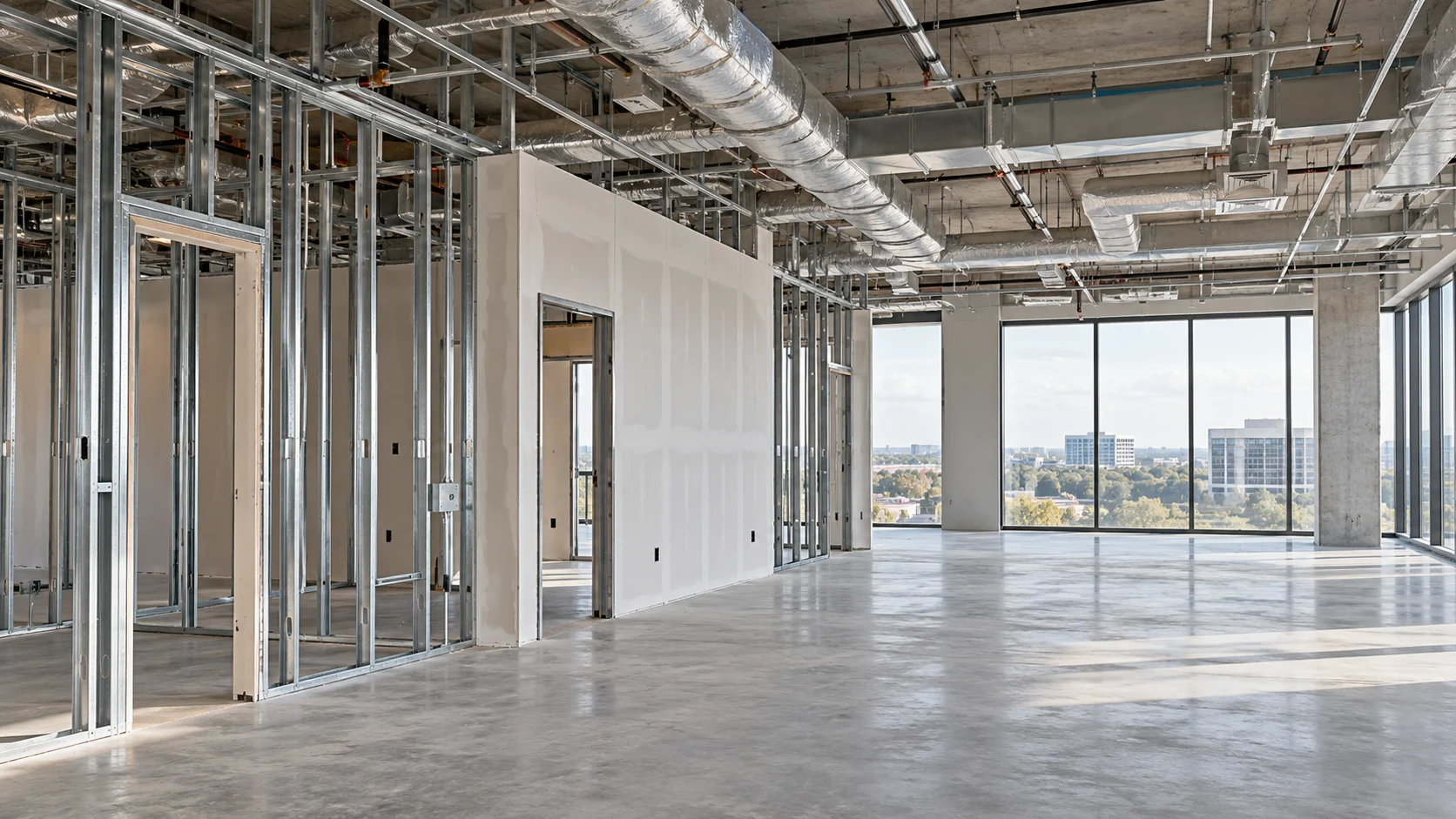
Owner changes, unforeseen conditions, and design revisions are among the issues that can require adjustments during construction.
4. Permit and Inspection Requirements
During permit review or inspections, the project team may receive a requirement that calls for revised plans or additional work.
That does not automatically make the work an extra charge. Whether a change order is appropriate depends on the original scope, contract obligations, and reason for the adjustment.
Addressing building use, occupancy, and permitting requirements early helps the team establish a more complete scope.
5. Material or Equipment Substitutions
An unavailable product or delayed piece of equipment may lead the project team to consider an alternative.
A substitution can affect more than appearance. Different equipment may require revised electrical connections, plumbing, structural support, or installation details.
Some substitutions fit within the existing contract. Others require an agreed adjustment to cost, scope, or schedule.
6. Unclear Scope and Exclusions
A proposal may leave uncertainty about what is included, who supplies certain items, or who performs specific work.
For example, an owner may assume equipment installation is included while the proposal covers only the utility connections.
Reviewing inclusions, exclusions, allowances, and owner responsibilities before signing helps prevent those misunderstandings.
Do Change Orders Mean Something Went Wrong?
A change order alone does not mean a project is poorly managed. It may reflect a useful owner decision, a concealed condition, or a necessary adjustment.
What matters is understanding why the change is needed and what it affects.
Owners should expect a clear description of the proposed work, its cost impact, and any effect on the schedule. Documenting the reason for a change and reviewing its consequences are important parts of administering it.
How Owners Can Reduce Change Orders
Preparation helps reduce avoidable changes:
- Define operational needs early. Confirm layouts, equipment, utility needs, and finish expectations.
- Review the complete scope. Understand what is included, excluded, or carried as an allowance.
- Investigate existing conditions. Review available records and evaluate the space before finalizing plans.
- Make selections on time. Delayed decisions can affect purchasing and installation.
- Discuss a contingency. Plan for uncertainty based on the project’s condition and complexity.
- Establish an approval process. Agree on who reviews changes and how cost and schedule impacts will be documented.
Plan Your Commercial Project With Clear Expectations
Change orders are easier to manage when owners understand the scope and have a clear process for making decisions.
At TBC Development, we help owners, developers, and tenants plan commercial construction projects across Dallas–Fort Worth. Whether you are preparing for a tenant improvement, commercial renovation, or ground-up build, an early conversation can help identify project requirements before construction begins.
Contact TBC Development to discuss your commercial construction project.
Email us today @ info@txcommercialconstruction.com or call us @ (469) 584-0483.